Acoustic louvers are an essential component when it comes to controlling and reducing noise levels in commercial, industrial, and residential buildings. They work by allowing ventilation while also blocking out unwanted sound from entering or exiting a building.
When installing acoustic louvers, there are several design considerations that need to be taken into account to ensure optimal performance and functionality. These include:
Balancing sound and air
The primary job of any louver is to let air move. With acoustic types, the core challenge is finding the right balance between noise control and airflow requirements. A louver with very high sound blocking might also restrict too much air. Look at the technical specs for both the Pressure Drop (how much air resistance it creates) and the Sound Transmission Class (STC) rating. Your goal is to select a product that meets your minimum noise reduction target without choking your ventilation system.
Placement and positioning
Where you put the louver changes everything. Think about the noise source direction. Is the sound coming from one specific place, like a road, or from all around? The louver should face the main noise source directly for the best blocking effect. Also, consider the building’s own layout. Mounting a louver in a deep recess or an alcove can unintentionally create echoes or reduce its effectiveness, so a clear path for both sound and air is ideal.
The weather side of things
Louvers live outdoors, so they must handle the environment. A good acoustic louver wants strong weather protection. This includes baffles to stop rain drive-through and durable finishes that resist rust and corrosion. If the internal sound-absorbing material gets wet, it can be ruined and lose its ability to dampen noise. Always check the louver’s weather rating to ensure it can survive local wind and rain conditions.
Visual impact matters
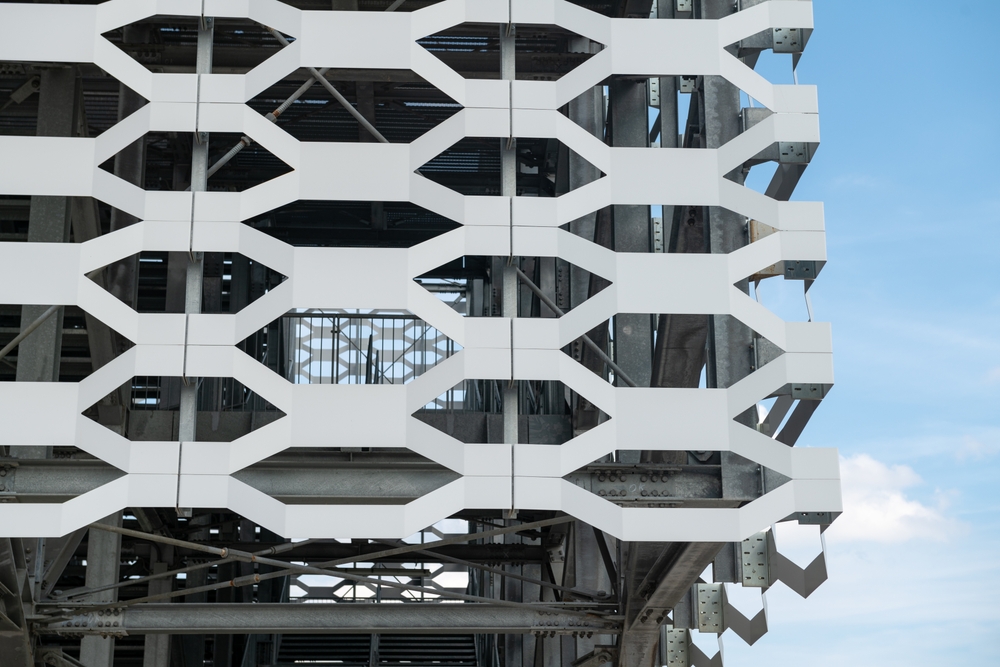
While function comes first, form is still important. Acoustic louvers are visible on a building’s exterior. They come in various colors, blade profiles, and frame sizes. Selecting a design that complements the building’s architecture makes for a cleaner, more integrated look. A well-chosen louver can be effective without being an eyesore.
Installation integrity
Even the best louver can fail if installed poorly. The frame must be sealed tightly into the opening in the wall. Any gaps around the edges are leaks for both sound and water. Using the right seals and following the maker’s instructions is key.